
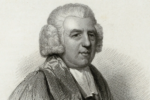
John Newton is best known for writing the hymn “Amazing Grace.” His story is amazing in itself. Newton avoided danger, toiled as a slave in Africa, became a Christian while working as a slave trader, and eventually went on to…
The central theme of Romans reappears in Romans 15 as Paul calls for Jews and gentiles to live in unity. He has already shown that they believe the same truth (chapters 1-11) and worship in the same way (chapters 12-15)….
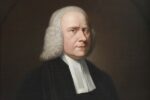
A former actor turned preacher, Whitefield’s ministry is synonymous with the Great Awakening. He preached to tens of thousands, even millions, on both sides of the Atlantic. He engaged in charitable work, preached mesmerizing sermons, and brought the gospel to…

“You therefore must be perfect, as your heavenly Father is perfect.” (Matthew 5:48) The genius of Christ’s Sermon on the Mount is that he does not call men to improvement, but to perfection. The world is content with a high…
Author’s note: This blog post is part of an ongoing series about the book of Romans. To see other Romans resources, click here. Romans 14 follows in the pattern of the previous two chapters: it is an outflowing of the paradigm…
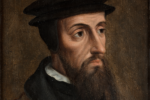
Calvin is often misunderstood, but his precise, theological mind was foundational for the Reformation. During a time of immense, continent-wide turmoil, Calvin organized and clearly laid out the ideas of the Protestant Reformation. His life was not easy, but he…

Prayer is one of the most important, and most neglected, works of the Christian. The quotes below will inspire and encourage your prayers. Perhaps it would be beneficial to write out a few of your favorites on note cards and…

Christ’s appeal to his disciples was austere and foreboding: “If anyone would come after me, let him deny himself and take up his cross and follow me” (Matthew 16:24). Today, we often interpret this in terms of denying ourselves the…
Author’s note: This blog post is part of an ongoing series about the book of Romans. To see other Romans resources, click here. How do Christians live out the paradigm of spiritual worship? At the beginning of chapter 12, Paul laid…
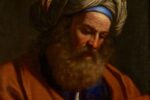
Like the narrator of a great tragedy, Isaiah opens his prophetic writings with sweeping vistas of a nation in decline. For five chapters, the prophet paints the picture of a nation visibly prosperous but inwardly rotten; outwardly pious but internally…